We’ve all been there — standing at the airport check-in counter, watching the scale tip over the weight limit, and frantically deciding what to leave behind or pay extra fees for. Overpacking doesn’t just cost you money in baggage fees; it makes every part of your trip harder, from navigating airports to moving between hotels. The good news? Packing lighter is easier than you think, and it can save you serious money on your next adventure.
Whether you’re planning a weekend getaway or a month-long journey, these ten practical strategies will help you cut down your luggage weight, avoid unnecessary fees, and travel smarter. We’ll cover everything from choosing the right gear to packing techniques that maximize space, with real solutions you can use on your very next trip. Let’s dive into the smart packing habits that savvy travelers swear by.
1. Invest in Lightweight, Multi-Purpose Gear
The foundation of light packing starts with your luggage and accessories. Heavy suitcases and bulky travel gear eat into your weight allowance before you even add clothes. Look for lightweight travel accessories from Amazon that serve multiple purposes — items like convertible backpacks, packable duffel bags, and ultra-light packing cubes that keep you organized without adding bulk.
Choose luggage that weighs under 7 pounds empty — every pound of suitcase weight is one less pound for your belongings
Pick clothing made from quick-dry, wrinkle-resistant fabrics that you can wash in a hotel sink
Select shoes that work for multiple occasions — one pair of comfortable walking shoes can replace three specialized pairs
Carry a packable daypack that folds into a tiny pouch for daily excursions without taking up luggage space
Use travel-size containers and solid toiletries instead of full-size bottles that add weight and risk spills
Invest in a digital luggage scale to weigh your bag at home before heading to the airport
2. Master the Capsule Wardrobe Approach
The secret to packing light isn’t bringing fewer clothes — it’s bringing the right clothes. A capsule wardrobe strategy means selecting versatile pieces that all coordinate with each other, so every item works with multiple outfits. Stick to a neutral color palette with one or two accent colors, and suddenly your 15 pieces create dozens of outfit combinations.
Plan outfits before you pack, not after — lay everything out and make sure each piece works with at least three others
Bring only three pairs of shoes maximum: walking shoes, sandals or nicer shoes, and flip-flops for the beach or hostel showers
Pack layers instead of bulky items — a lightweight jacket and cardigan layer better than one heavy coat
Choose clothes that transition from day to night with simple accessories
Accept that you’ll wear things more than once — most people won’t notice, and laundry services are widely available
Leave the “just in case” outfits at home — if you haven’t worn it in your last three trips, you won’t wear it on this one
3. Use Packing Cubes and Compression Bags
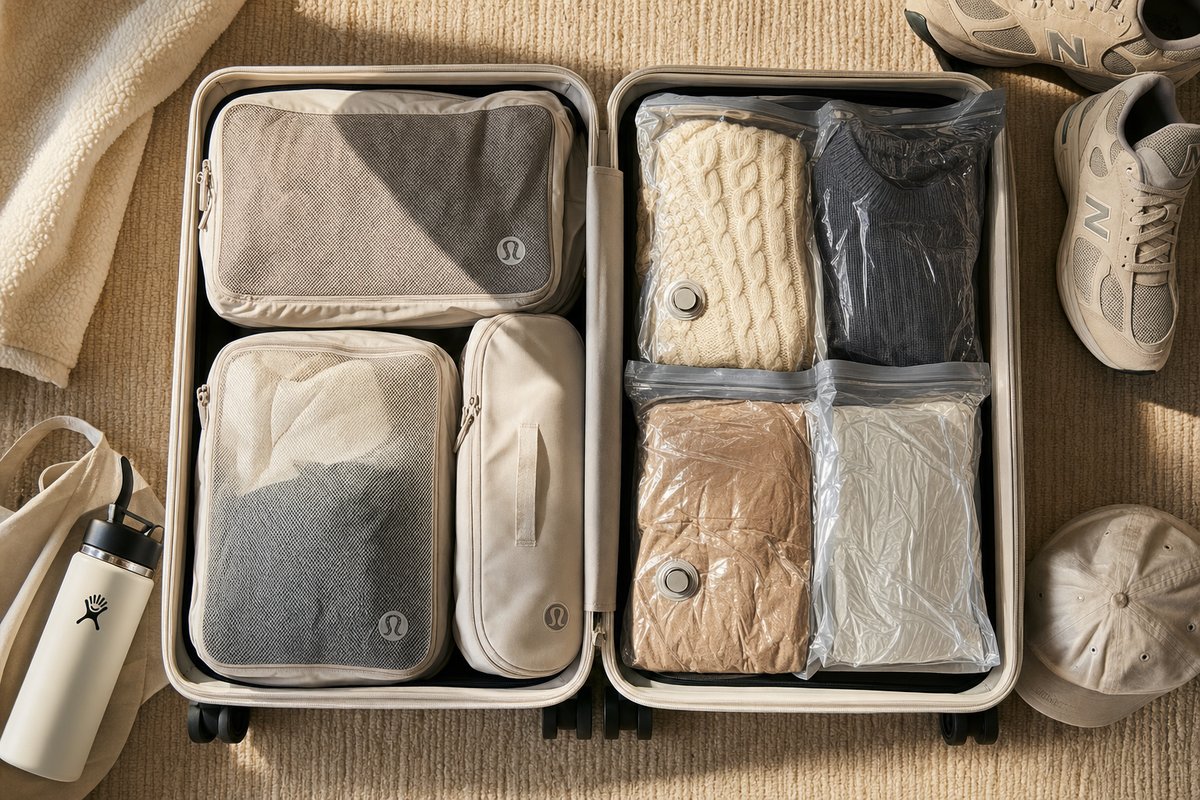
Organization tools aren’t just about neatness — they’re about efficiency. Packing cubes from Amazon’s travel accessories collection help compress your clothes while keeping everything sorted by category. Compression bags take it further by squeezing out excess air, reducing bulky items like jackets and sweaters to a fraction of their normal size.
Roll clothes tightly instead of folding them — rolled items take up less space and wrinkle less
Use one cube per clothing category: tops, bottoms, underwear, accessories
Save compression bags for soft, bulky items like fleece jackets and hoodies, not for everything
Keep a separate cube for dirty laundry to contain odors and stay organized throughout your trip
Place heavier items at the bottom of your bag near the wheels for better balance and easier maneuvering
Use shoe bags or shower caps to keep dirty shoe soles from touching your clean clothes
4. Wear Your Bulkiest Items on Travel Days
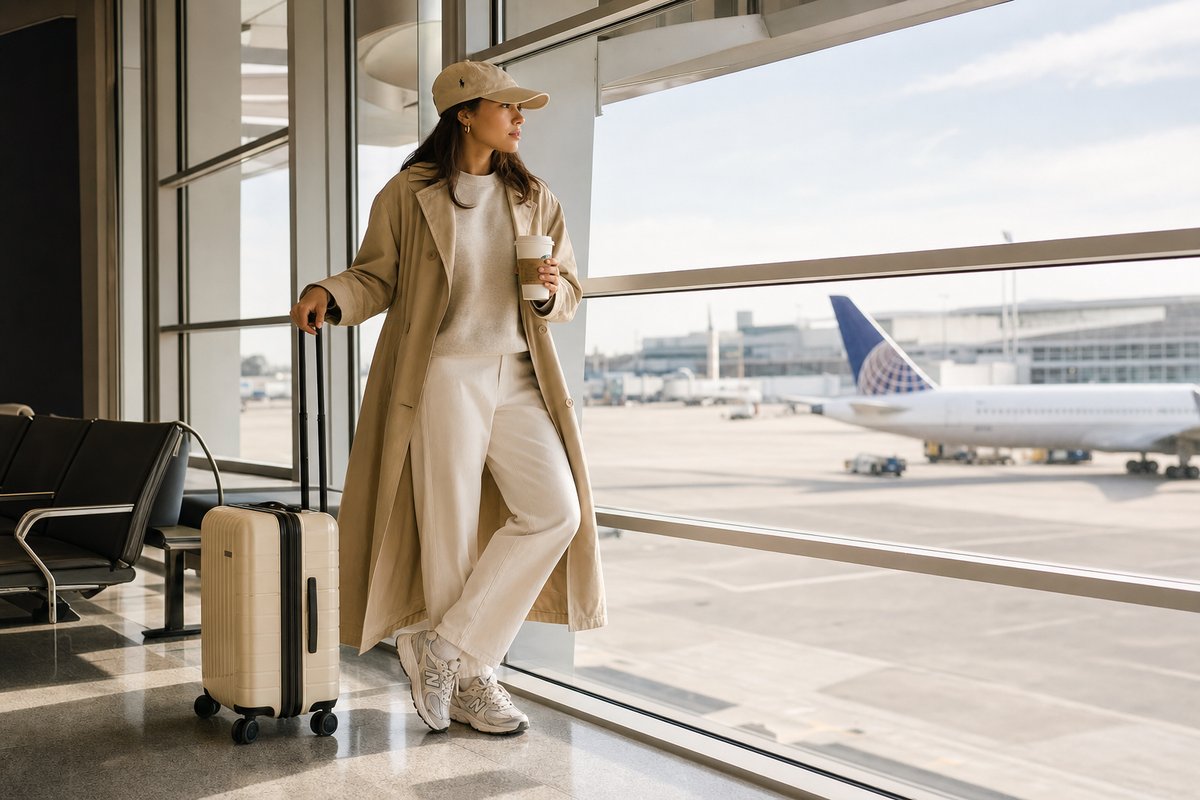
Your body is carry-on space that doesn’t count toward baggage weight limits. On flight days, wear your heaviest shoes, thickest jacket, and bulkiest layers rather than packing them. This simple trick can shave pounds off your checked bag and give you valuable luggage room for other essentials.
Wear boots or sneakers on the plane and pack lighter sandals or flats in your luggage
Layer a sweater and jacket for the flight, then store them overhead once you board
Put heavy items like books, tablets, or electronics in your jacket pockets to keep them off your luggage weight
Wear jeans instead of packing them — they’re among the heaviest clothing items
Use your personal item allowance strategically for a small backpack stuffed with essentials
5. Minimize Toiletries and Buy On Arrival
Liquids are heavy, and full-size toiletries add up fast. The truth is, you can buy shampoo, toothpaste, and most personal care items anywhere in the world — often cheaper than at home. Bring only the essentials you can’t easily replace, and purchase the rest once you land. Travel-size refillable bottles make it easy to decant just what you need.
Bring solid alternatives like bar shampoo, solid deodorant, and toothpaste tablets that don’t count as liquids
Use hotel toiletries when available — there’s no shame in saving weight and money
Pack multi-use products: coconut oil for skin, hair, and makeup removal; Dr. Bronner’s soap for body, clothes, and dishes
Decant into tiny 1-ounce bottles only what you’ll use during your trip, not the full container
Leave hair tools at home — let your hair air-dry or use hotel dryers to avoid packing heavy electronics
Create a permanent travel toiletry kit that stays packed between trips so you never forget essentials
6. Digitize Everything You Can
Books, maps, guidebooks, and printed documents add serious weight to your bag. In 2025, there’s almost nothing you can’t access digitally. Download e-books, store PDFs of important documents in cloud storage, and use smartphone apps for everything from translation to navigation. Your phone or tablet weighs ounces; paper materials weigh pounds.
Use apps like Google Maps for offline navigation instead of carrying paper maps or heavy guidebooks
Scan or photograph important documents (passport, insurance, prescriptions) and store copies in secure cloud storage
Load your e-reader or tablet with all your reading material before you leave
Download podcasts and music for offline listening so you’re not streaming and draining battery
Use note-taking apps for itineraries, packing lists, and travel journaling instead of carrying notebooks
Bring one universal charging cable and adapter instead of multiple device-specific chargers
7. Plan to Do Laundry Mid-Trip
Once you accept that you’ll wash clothes during your trip, you can pack half as much. Most destinations have affordable laundry services, and quick-dry travel clothing makes sink washing a breeze. A week’s worth of clothes is all you ever need, regardless of trip length, because you’ll refresh everything at the halfway point.
Pack travel laundry detergent sheets or a small bottle of concentrated soap for sink washing
Bring a portable clothesline or use hangers and towel racks in your accommodation
Choose fabrics like merino wool and synthetic blends that dry overnight and resist odors
Look for accommodations with free laundry facilities when booking longer stays
Budget $10-20 for a mid-trip laundry service in most international destinations — still cheaper than checked bag fees
Wash items as you go rather than waiting until everything is dirty at once
8. Secure Your Belongings Without Overbuying
Safety is important, but you don’t need to pack like you’re entering a war zone. A single TSA-approved lock from Amazon secures your main bag, and basic awareness prevents most theft. Skip the bulky money belts, multiple locks, and elaborate security gadgets that add weight without significantly improving safety.
Use one quality TSA lock for your checked bag and a small cable lock for securing zippers on day bags
Carry a slim RFID-blocking wallet if you’re concerned about electronic pickpockets, but don’t overdo it
Keep valuables in your carry-on and never check irreplaceable items like medication or important documents
Use your hotel safe for passports and extra cash rather than carrying everything everywhere
Split cash and cards between your bag, wallet, and travel partner so you’re never completely without funds
Trust that most places are safer than you think — common sense beats elaborate security theater every time
9. Skip the “Just in Case” Items
The biggest enemy of light packing is the hypothetical scenario. That formal outfit you might need, the extra pair of shoes for a restaurant you might visit, the beach towel for a beach you might see — these “just in case” items add up to pounds of unnecessary weight. The reality? You can buy, borrow, or rent almost anything you truly need at your destination.
Ask yourself: “Have I needed this on my last three trips?” If no, leave it home
Remember that stores exist everywhere — if you desperately need something, you can buy it
Use your accommodation’s amenities: towels, hair dryers, hangers, and often beach gear
Pack for your actual itinerary, not every possible activity you might spontaneously do
Accept that you might buy one or two items on your trip — that’s still cheaper than checked bag fees
Trust that locals survive daily life with less stuff than you think you need for a week
10. Test Your Pack Before You Leave
The best time to discover your bag is too heavy isn’t at the airport check-in counter. Pack everything a few days before your trip, weigh your bag, and take it for a walk around your neighborhood. If you’re struggling to lift it or can’t comfortably carry it for ten minutes, you’ve packed too much. Use this test run to ruthlessly edit down to essentials.
Weigh your packed bag on a luggage scale or bathroom scale to confirm it’s under airline limits
Walk around your house or up stairs with your bag — if it’s uncomfortable now, it’ll be worse after a long flight
Pull out anything you hesitated about packing — hesitation usually means you don’t really need it
Leave room for souvenirs and purchases by packing slightly under your weight limit
Practice packing and unpacking once to confirm everything fits and you can find items quickly
Keep a running packing list of what you actually used versus what stayed packed — refine for future trips
Our Favourite Light Packing Strategy
Start with what you’ll wear on the plane — your bulkiest outfit doesn’t count toward baggage weight
Pack only seven days of clothes regardless of trip length, and plan one laundry day mid-trip
Choose a color palette where everything coordinates — three neutral colors plus one accent color maximum
Use compression cubes from Amazon’s travel section for bulky items and regular cubes for everything else
Embrace minimalist toiletries — buy on arrival or use solids that don’t count as liquids
Test your pack three days before departure and remove 20% more than you think you should
Light Packing — Final Thoughts
Learning to pack lighter transforms how you travel — you’ll move through airports faster, avoid baggage fees, and feel less burdened throughout your entire trip. The key is shifting your mindset from “what might I need” to “what will I actually use,” and trusting that the world has stores, laundry services, and solutions for problems you haven’t even thought of yet. Start with these ten strategies on your next trip, and you’ll wonder how you ever traveled any other way. For all the smart travel gear that makes light packing possible, you’ll find quality options that help you travel smarter and cheaper.